
Looking forward to Part 2!
BY TYLER DURDEN
MONDAY, JUL 03, 2023 – 01:25 PM
Authored by Jim Quinn via The Burning Platform blog,
Those who dont build must burn. Ray Bradbury, Fahrenheit 451
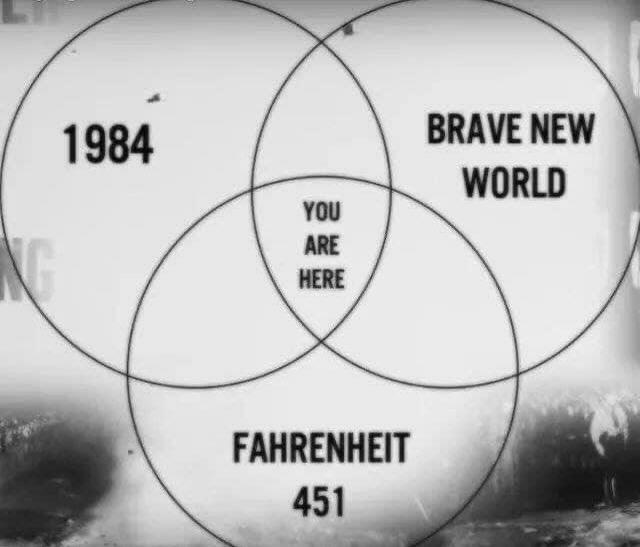
One believes things because one has been conditioned to believe them. Aldous Huxley, Brave New World
Being in a minority, even in a minority of one, did not make you mad. There was truth and there was untruth, and if you clung to the truth even against the whole world, you were not mad. George Orwell, 1984
The Venn diagram above perfectly captures the zeitgeist of our current dystopian world better than any academic drivel disguised as a scientific study or any regime media produced propaganda disguised as journalism. In fact, these three novels capture everything that has gone terribly wrong in our world, and I put the blame at the feet of totalitarian governments and an apathetic fearful populace who went along because it was the easiest path to follow.
These three novels, considered among the top 100 novels ever written, were penned between 1931 and 1953, during three distinct periods, which are reflected in the themes and story lines of their dystopian worlds. They were supposed to be works of fiction, providing warnings of what could happen if we made the wrong choices and trusted the wrong people. Sadly, they became user manuals for todays authoritarian dictators in how to control, condition and cow a population of indoctrinated sheep, as displayed during the covid pandemic exercise.
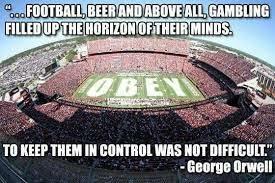
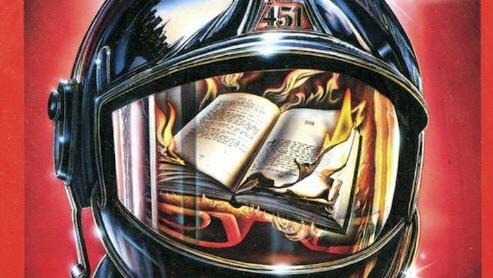
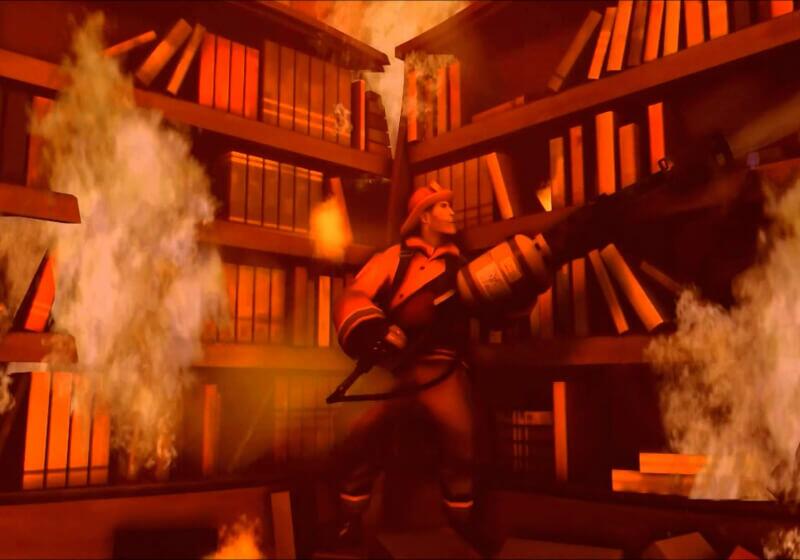
Knowing the fate of the three protagonists in these novels does not provide much hope for those trapped in the same nightmarish dystopia we are experiencing today. The three protagonists in these dystopian novels have more similarities than differences. Montag, the fireman who burns books in Fahrenheit 451, is the protagonist who begins to question his life, his profession, and why he and most of the population are deeply unhappy. His curiosity about the books he previously burned leads him into conflict with his family, his bosses, and society. He murders his boss and becomes a fugitive among the other rebels who love books and refuse to knuckle under to the totalitarians blowing up and burning their world.
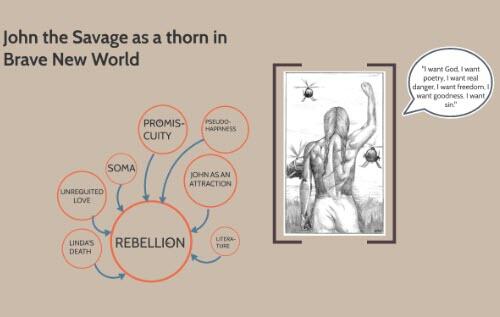
John the Savage, who is a complete outsider in the civilized World State culture, is the main protagonist in Brave New World (a line from Shakespeares The Tempest). His knowledge of Shakespeare provides him with the rhetorical ammunition to hold his own in a debate with the controller of the World State, Mustapha Mond, but Monds totalitarian state where stability and happiness outweigh individuality, emotional connections and humanism, win in the end. Johns weakness leads to him giving in to his desires and ultimate suicide, much like a Shakespearean character.
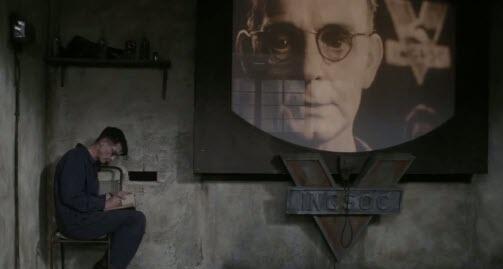
Winston Smith, a Party member who commits thoughtcrimes by keeping a diary, believing The Party misleads about history, and questioning The Party orthodoxy, is the non-charismatic protagonist of 1984. His passive resistance against the totalitarian state becomes more overt and ultimately puts him into the clutches of OBrien and the Thought Police, who inflicted physical and psychological torture upon Smith, until he breaks and becomes an emotionally deadened, loving follower of The Party.
Three of the greatest novels of all time, all written within twenty years of each other, had similar themes, analogous protagonists, and equally disheartening endings. It is certainly clear the warnings of these brilliant men were not heeded by the masses, mainly due to the techniques described in the novels regarding population control and suppression. The overlapping themes in the three novels have played out in various forms over the last several decades, as our world has slowly descended into a dystopia of our own making. There are several key themes in these novels that are perfectly aligned with our current predicament: (1) Technology as a Means of Control; (2) Censorship; (3) Individuality Versus State Control; (4) Truth, Happiness, and Materialism; (5) Dangers of Totalitarianism.
Technology as a Means of Control
It didnt come from the Government down. There was no dictum, no declaration, no censorship, to start with, no! Technology, mass exploitation, and minority pressure carried the trick, thank God. Ray Bradbury, Fahrenheit 451
Read more:
https://www.zerohedge.com/political/burning-books-brave-new-1984-world


 a12iggymom's Blog